Embarking on a journey, whether for leisure or business, often begins with the exciting decision of where to go. For many travelers across the Philippines and beyond, Cebu Pacific Destinations represent a vast network of possibilities, connecting bustling cities, serene islands, and vibrant international hubs. But beyond the allure of a destination lies the crucial practicalities: understanding which airports serve your chosen locales and, even more specifically, which terminal to navigate upon arrival or departure.

This essential guide aims to unravel these complexities, offering a comprehensive and insightful look into Cebu Pacific’s extensive reach, ensuring your next travel experience is as smooth and stress-free as possible. From the sprawling domestic network that links the Philippine archipelago to the ever-expanding international routes that bridge cultures and continents, mastering the details of your flight path is paramount. Join us as we delve into the intricate web of Cebu Pacific’s operations, transforming potential travel anxieties into confident and well-planned adventures.
A Deep Dive into Philippine Cebu Pacific Destinations
The Philippines, an archipelago comprising over 7,000 islands, relies heavily on air travel for connectivity between its diverse regions. Cebu Pacific plays a crucial role in bridging these distances, offering an extensive network of Cebu Pacific Destinations across Luzon, Visayas, and Mindanao. This domestic reach facilitates everything from essential inter-island commerce to vibrant tourism, allowing travelers to explore the country’s rich cultural tapestry and breathtaking natural wonders. Each destination serves as a unique gateway, offering access to distinct local experiences and making a significant contribution to regional development.
Luzon Island Destinations and Airports
Luzon, the largest and most populous island in the Philippines, is home to the capital region and serves as the primary economic and political center. Cebu Pacific’s routes to Luzon islands are crucial for connecting the nation, offering vital access points to various provinces, bustling cities, and emerging tourist spots.
Manila: The Heart of Philippine Air Travel
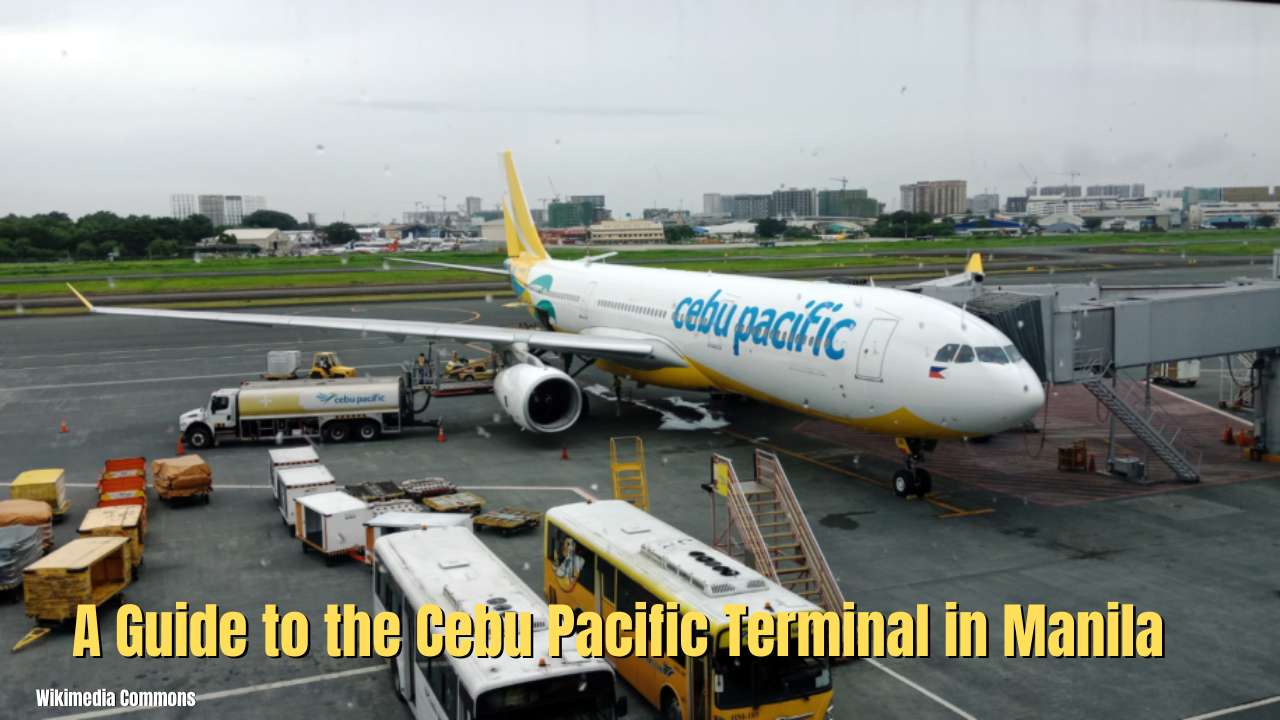
Manila, specifically through Ninoy Aquino International Airport (MNL), stands as the undisputed central hub for Cebu Pacific’s operations, both domestic and international. For 5J flights, Cebu Pacific utilizes Terminal 3, while DG flights operate from Terminal 2. This distinction is critical for travelers to ensure they proceed to the correct facility. Manila acts as a gateway not only to Luzon but also as a primary connector to Visayas and Mindanao, serving as a significant transit point for travelers flying across the entire Philippine network. Its strategic location makes it an indispensable starting or ending point for countless journeys, embodying the very essence of Cebu Pacific Destinations.
Clark: Northern Luzon’s Gateway
Clark International Airport (CRK) in Pampanga serves as a significant gateway to Northern and Central Luzon, primarily utilizing Terminal 2 for Cebu Pacific flights. Its emergence as an alternative to Manila has provided travelers with another convenient access point, helping to decongest the capital’s airport and offering residents of surrounding provinces a closer option for air travel. Clark is vital for accessing the northern parts of Luzon, including historical sites, natural attractions, and burgeoning economic zones.
Other Key Luzon Destinations (and their Airports)
Cebu Pacific’s network extends further across Luzon, providing essential connectivity to various regional centers:
| IATA Code | Destination | Airport Name | Role in Cebu Pacific Destinations Network |
|---|---|---|---|
| CYP | Calbayog | Calbayog Airport | Connects western Samar, vital for regional access. |
| CYZ | Cauayan | Cauayan City Airport | Gateway to Isabela province, supporting agricultural and eco-tourism. |
| DRP | Legazpi | Bicol International Airport | Access to the Bicol Region and Mayon Volcano. |
| LAO | Laoag | Laoag International Airport | Provides access to Ilocos Norte, known for its historical sites and beaches. |
| MBT | Masbate | Moises R. Espinosa Airport | Key inter-island connector in the Masbate province. |
| WNP | Naga | Naga Airport | Essential for travel to Camarines Sur, home to religious sites and eco-parks. |
| SJI | San Jose (Mindoro) | San Jose Airport | Connects travelers to Occidental Mindoro’s beaches and dive spots. |
| SUG | Surigao | Surigao Airport | Southern gateway to Surigao del Norte and its natural wonders. |
| TUG | Tuguegarao | Tuguegarao Airport | Vital for accessing Cagayan Valley, known for its caves and rivers. |
| VRC | Virac | Virac Airport | Connects to Catanduanes Island, known as the “Happy Island.” |
| SWL | San Vicente (Port Barton) | San Vicente Airport | Direct access to the pristine beaches and islands of Port Barton, Palawan. |
These destinations ensure that Cebu Pacific Destinations on Luzon offer a comprehensive network, catering to both the logistical needs of residents and the adventurous spirit of tourists.
Visayas Island Destinations and Airports
The Visayas group of islands forms the central part of the Philippines, renowned for its stunning beaches, historical cities, and vibrant festivals. Cebu Pacific’s extensive coverage of these islands is instrumental in supporting tourism and facilitating inter-island commerce, showcasing the diversity of Cebu Pacific Destinations.
Cebu: Queen City of the South and Key Hub
Mactan Cebu International Airport (CEB) serves as Cebu Pacific’s central hub in the Visayas, with domestic flights departing from Terminal 1 and international flights from Terminal 2. Cebu City, often dubbed the “Queen City of the South,” is a bustling urban center and a gateway to numerous islands in the Central Visayas. Its strategic location makes it a critical point for connecting travelers from various domestic and international destinations to the region’s rich cultural and natural attractions.
Iloilo: Gateway to Western Visayas
Iloilo International Airport (ILO) serves Iloilo City, a historical and cultural hub in Western Visayas. This airport is crucial for accessing not only Iloilo province itself, known for its heritage sites and culinary scene, but also neighboring provinces. Cebu Pacific’s presence here highlights its commitment to supporting regional growth and facilitating travel to one of the Philippines’ most charming cities.
Bohol: Island Paradise
Bohol-Panglao International Airport (TAG) provides direct access to the island province of Bohol, famous for its Chocolate Hills, tarsiers, and pristine beaches. The airport, designed with tourism in mind, has significantly enhanced Bohol’s accessibility, making it one of the most sought-after destinations for international and domestic tourists alike, courtesy of Cebu Pacific.
Boracay (Caticlan) & Kalibo: Beach Escapes
For access to the world-renowned Boracay Island, travelers typically fly into Godofredo P. Ramos Airport (MPH) in Boracay (Caticlan) or Kalibo International Airport (KLO). Caticlan offers closer proximity to the island, while Kalibo serves as an alternative with connections to other major hubs. Cebu Pacific’s frequent flights to both airports are crucial in accommodating the high volume of tourists visiting this iconic destination.
Other Key Visayas Destinations (and their Airports)
Cebu Pacific’s network in Visayas further enhances connectivity across the region:
| IATA Code | Destination | Airport Name | Terminal (if specified) | Role in Cebu Pacific Destinations Network |
|---|---|---|---|---|
| BCD | Bacolod | Bacolod-Silay International Airport | – | Gateway to Negros Occidental, known for its vibrant festivals and sugarcane plantations. |
| DGT | Dumaguete | Sibulan Airport | – | Access to Negros Oriental and its marine sanctuaries, a diving haven. |
| RXS | Roxas | Roxas City Airport | – | Connects to Capiz province, famous as the “Seafood Capital of the Philippines.” |
| TAC | Tacloban | Daniel Z. Romualdez Airport | – | Major hub for Eastern Visayas, facilitating access to Leyte and Samar. |
These extensive Visayan Cebu Pacific Destinations underscore the airline’s role in linking the diverse cultural and natural landscapes of the central Philippines.
Mindanao Island Destinations and Airports
Mindanao, the second-largest island group in the Philippines, boasts a rich tapestry of cultures, stunning landscapes, and significant economic centers. Cebu Pacific’s presence across Mindanao ensures that its vibrant cities and natural wonders are well-connected, promoting both regional development and tourism. The various Cebu Pacific Destinations in Mindanao cater to a wide range of travelers, from business professionals to adventurers.
Davao: The Southern Philippines’ Metro Hub
Davao International Airport (DVO) serves as Mindanao’s primary aviation gateway and a significant hub for Cebu Pacific. Davao City is the economic, cultural, and political center of Mindanao, making flights to DVO crucial for business travelers and tourists alike. It provides access to numerous natural attractions, including Mount Apo and Samal Island, making it a key destination for exploring the southern Philippines.
Cagayan de Oro: Gateway to Northern Mindanao
Laguindingan Airport (CGY) serves Cagayan de Oro, a bustling city known as the “City of Golden Friendship” and a popular adventure tourism destination in Northern Mindanao. Cebu Pacific flights to CGY are crucial for connecting travelers to white-water rafting, cultural sites, and the surrounding provinces of Misamis Oriental and Bukidnon.
General Santos: Tuna Capital
General Santos International Airport (GES), also known as Tambler Airport, connects travelers to General Santos City, famously known as the “Tuna Capital of the Philippines”. This airport is essential for the region’s robust fishing industry and serves as a gateway to the southern reaches of Mindanao, facilitating both commercial and leisure travel.
Other Key Mindanao Destinations (and their Airports)
Cebu Pacific’s network covers many other vital points across Mindanao:
| IATA Code | Destination | Airport Name | Connects to Misamis Occidental, which is important for regional trade and travel. |
|---|---|---|---|
| BXU | Butuan | Bancasi Airport | Connects to Agusan del Norte, which is vital for its timber and historical sites. |
| CBO | Cotabato | Cotabato Airport / Awang Airport | Serves as a gateway to Maguindanao province, rich in cultural heritage. |
| CGM | Camiguin | Camiguin Airport | Direct access to the “Island Born of Fire,” known for its volcanoes and springs. |
| DPL | Dipolog | Dipolog Airport | Gateway to Zamboanga del Norte, offering access to its natural attractions. |
| IAO | Siargao | Siargao Domestic Airport | The prime access point for Siargao Island, the surfing capital of the Philippines. |
| OZC | Ozamiz | Labo Airport | Connects to Misamis Occidental, important for regional trade and travel. |
| PAG | Pagadian | Pagadian Airport | Serves Zamboanga del Sur, a key commercial and educational center. |
| ZAM | Zamboanga | Zamboanga International Airport | Southernmost hub, gateway to the diverse Zamboanga Peninsula. |
| TWT | Tawi-Tawi | Sanga-Sanga Airport | Connects the southernmost province, offering unique cultural experiences. |
This extensive domestic network of Cebu Pacific Destinations across Mindanao ensures that all major regions and key islands are accessible, promoting national unity through seamless air travel.
Exploring International Cebu Pacific Destinations
Beyond the borders of the Philippines, Cebu Pacific extends its wings to a diverse array of international destinations, connecting travelers to some of the most dynamic cities and cultural hotspots in Asia, Australia, and the Middle East. This international expansion is a testament to the airline’s growth and its commitment to providing affordable global travel options. These Cebu Pacific Destinations are strategically chosen to cater to various travel segments, including tourism, business, and overseas Filipino workers.
Asia-Pacific Powerhouses: East & Southeast Asia
The bulk of Cebu Pacific’s international network is concentrated within the Asia-Pacific region, reflecting strong economic and cultural ties. These routes are vital for connecting the Philippines to its neighbors, fostering trade, tourism, and cultural exchange.
Japan: Land of the Rising Sun
Japan is a highly sought-after destination for its unique blend of ancient traditions and futuristic innovation. Cebu Pacific serves multiple airports across Japan, making its diverse regions accessible:
| IATA Code | Destination | Airport Name | Terminal (if specified) | Role in Cebu Pacific Destinations Network |
|---|---|---|---|---|
| CTS | Sapporo (New Chitose) | Sapporo Chitose Airport | – | Gateway to Hokkaido, known for its natural beauty and winter sports. |
| FUK | Fukuoka | Fukuoka International Airport | Main Terminal | Main gateway to Kyushu, offering a rich history and vibrant food scene. |
| KIX | Osaka (Kansai) | Kansai International Airport | Terminal 1 | Key hub for western Japan, providing access to Osaka, Kyoto, and Nara. |
| NGO | Nagoya | Chubu Centrair International Airport | Terminal 2 | The main gateway to Kyushu, offering a rich history and a vibrant food scene. |
| NRT | Tokyo (Narita) | Narita International Airport | Terminal 2 | Essential for accessing Central Japan, including industrial and cultural sites. |
These multiple entry points ensure that travelers can conveniently reach various parts of Japan, reinforcing the appeal of Cebu Pacific Destinations.
South Korea: K-Pop and Culture
South Korea, a global trendsetter in pop culture, technology, and stunning landscapes, is a significant draw for many travelers.
| IATA Code | Destination | Airport Name | Terminal (if specified) | Role in Cebu Pacific Destinations Network |
|---|---|---|---|---|
| ICN | Incheon | Incheon International Airport | Terminal 1 | The primary gateway to Seoul and the rest of South Korea, a central Asian hub. |
Cebu Pacific’s direct flights to Incheon make exploring South Korea’s vibrant cities and serene countryside highly accessible.
China, Hong Kong & Macau: Diverse Cultural Experiences
China, along with its Special Administrative Regions of Hong Kong and Macau, offers a rich tapestry of history, modernity, and unique cultural experiences.
| IATA Code | Destination | Airport Name | Terminal (if specified) | Role in Cebu Pacific Destinations Network |
|---|---|---|---|---|
| CAN | Guangzhou (Canton) | Guangzhou Baiyun International Airport | Terminal 1 | Key access to Southern China, a major economic and cultural center. |
| PVG | Shanghai | Shanghai Pudong International Airport | Terminal 2 | Gateway to one of China’s most dynamic and modern cities. |
| XMN | Xiamen | Xiamen Gaoqi International Airport | Terminal 3 | Connects to Fujian province, with strong historical ties to the Philippines. |
| HKG | Hong Kong | Hong Kong International Airport | Main Terminal | A bustling global financial hub and popular shopping/tourism destination. |
| MFM | Macau | Macau International Airport | Main Terminal | Known for its unique blend of Portuguese and Chinese cultures, and casinos. |
These destinations highlight Cebu Pacific’s role in connecting the Philippines with the significant economic and cultural centers of Greater China.
Singapore: Lion City’s Charm
Singapore, a global city-state known for its urban planning, green spaces, and diverse cuisine, is a key regional hub.
| IATA Code | Destination | Airport Name | Terminal (if specified) | Role in Cebu Pacific Destinations Network |
|---|---|---|---|---|
| SIN | Singapore | Singapore Changi Airport | Terminal 4 | A major aviation hub, offering seamless connections globally and a vibrant city experience. |
Cebu Pacific’s connection to Singapore Changi Airport highlights its significance as a regional hub.
Malaysia: Cultural Crossroads
Malaysia offers a blend of Malay, Chinese, and Indian cultural influences, with modern cities and lush rainforests.
| IATA Code | Destination | Airport Name | Terminal (if specified) | Role in Cebu Pacific Destinations Network |
|---|---|---|---|---|
| KUL | Kuala Lumpur | Kuala Lumpur International Airport | Terminal 2 | Primary gateway to Malaysia, a vibrant metropolis with cultural attractions. |
Flights to Kuala Lumpur facilitate both tourism and business travel to this Southeast Asian nation.
Indonesia: Islands of Enchantment
Indonesia, the world’s largest archipelago, boasts incredible natural beauty and cultural diversity.
| IATA Code | Destination | Airport Name | Terminal (if specified) | Role in Cebu Pacific Destinations Network |
|---|---|---|---|---|
| CGK | Jakarta | Soekarno-Hatta International Airport | Terminal 2F | Capital city, major economic hub, and gateway to diverse Indonesian islands. |
| DPS | Bali (Denpasar) | Ngurah Rai International Airport | International Terminal | Capital city, central economic hub, and gateway to diverse Indonesian islands. |
Cebu Pacific’s routes to Indonesia unlock opportunities for exploring its vast and varied landscapes.
Thailand: Land of Smiles
Thailand is a perennial favorite for travelers seeking vibrant cities, ancient temples, and stunning beaches.
| IATA Code | Destination | Airport Name | Terminal (if specified) | Role in Cebu Pacific Destinations Network |
|---|---|---|---|---|
| BKK | Bangkok (Suvarnabhumi) | Suvarnabhumi Airport | Main Terminal | One of Bangkok’s two main airports serves as a central international hub. |
| CNX | Chiang Mai | Chiang Mai International Airport | Main Terminal | One of Bangkok’s two main airports serves as a major international hub. |
| DMK | Bangkok (Don Mueang) | Don Mueang International Airport | Terminal 1 | Northern Thailand’s cultural capital is known for temples and elephant sanctuaries. |
The multiple airports served in Bangkok and the addition of Chiang Mai offer flexibility for travelers exploring Thailand.
Vietnam: Rich History and Stunning Landscapes
Vietnam offers a captivating blend of history, culture, and breathtaking natural scenery.
| IATA Code | Destination | Airport Name | Terminal (if specified) | Role in Cebu Pacific Destinations Network |
|---|---|---|---|---|
| DAD | Da Nang | Da Nang International Airport | Terminal 2 | Gateway to Central Vietnam, including historical Hoi An and scenic beaches. |
| HAN | Hanoi | Noi Bai International Airport | Terminal 2 | Capital city, offering historical sites and a vibrant urban experience. |
| SGN | Ho Chi Minh (Saigon) | Tan Son Nhat International Airport | Terminal 2 | Southern Vietnam’s bustling economic center, rich in history and culture. |
Cebu Pacific’s routes to Vietnam connect travelers to its major cities and regional gems.
Taiwan: Island of Innovation
Taiwan offers a unique blend of modern cities, traditional temples, and stunning natural landscapes.
| IATA Code | Destination | Airport Name | Terminal (if specified) | Role in Cebu Pacific Destinations Network |
|---|---|---|---|---|
| KHH | Kaohsiung | Kaohsiung International Airport | Main Terminal | Southern Taiwan’s central hub is known for its harbor and cultural sites. |
| TPE | Taipei | Taiwan Taoyuan International Airport | Terminal 1 | Primary international airport serving Taipei, the vibrant capital city. |
These flights make Taiwan’s diverse attractions easily accessible to travelers.
Brunei Darussalam: The Green Jewel of Borneo
Brunei offers a unique blend of Islamic culture, lush rainforests, and modern architecture.
| IATA Code | Destination | Airport Name | Terminal (if specified) | Role in Cebu Pacific Destinations Network |
|---|---|---|---|---|
| BWN | Bandar Seri Begawan (Brunei) | Brunei International Airport | Main Terminal | The sole international airport, connecting travelers to the capital city and its attractions. |
This route provides a gateway to a lesser-explored, but equally captivating, Southeast Asian nation.
Beyond Asia: Australia and the Middle East
Cebu Pacific’s international reach extends beyond the immediate Asian region, connecting the Philippines to distant continents and offering unique long-haul Cebu Pacific Destinations.
Australia: Down Under Adventures
Australia, with its vast landscapes, unique wildlife, and vibrant cities, is a popular destination for tourists and expatriates.
| IATA Code | Destination | Airport Name | Terminal (if specified) | Role in Cebu Pacific Destinations Network |
|---|---|---|---|---|
| MEL | Melbourne | Melbourne (Tullamarine) Airport | Terminal 2 | A major cultural and economic hub, gateway to Victoria’s diverse attractions. |
| SYD | Sydney | Sydney (Kingsford-Smith) Airport | Terminal 1 | Australia’s largest city and iconic destination, with the Opera House and Harbour Bridge. |
These direct flights offer convenient access to two of Australia’s most prominent cities.
United Arab Emirates: Desert Metropolis
The United Arab Emirates, particularly Dubai, is a global hub for business, luxury tourism, and a significant base for overseas Filipino workers.
| IATA Code | Destination | Airport Name | Terminal (if specified) | Role in Cebu Pacific Destinations Network |
|---|---|---|---|---|
| DXB | Dubai | Dubai International Airport | Terminal 1 | One of the world’s busiest airports, connecting to a city renowned for its innovation and extravagance. |
Flights to Dubai bridge a significant distance, serving both economic and personal travel needs.
The extensive listing of both Philippine and international Cebu Pacific Destinations demonstrates the airline’s comprehensive approach to connectivity, offering a broad spectrum of travel opportunities for its passengers.
Understanding Cebu Pacific Destinations: The Gateway to Your Adventures
Cebu Pacific Air, often referred to simply as Cebu Pacific, has established itself as a leading low-cost carrier in the Philippines, playing a pivotal role in democratizing air travel across the region. Its operational philosophy centers on providing affordable and accessible flights, making a wide array of Cebu Pacific Destinations reachable for a diverse range of travelers. The airline’s strategic network planning focuses on connecting key urban centers with popular tourist destinations and vital economic zones, both within the Philippines and across the Asia-Pacific region.
The sheer breadth of Cebu Pacific Destinations underscores the airline’s commitment to connectivity. For domestic travelers, it means an unparalleled ability to hop between islands, explore diverse landscapes, and visit family and friends with ease. Internationally, Cebu Pacific opens doors to cultural immersion, business opportunities, and leisure experiences in some of the world’s most dynamic cities and scenic locations. This extensive reach is not merely a collection of points on a map; it represents a carefully curated travel ecosystem designed to serve the evolving needs of modern flyers. By understanding the scope of these destinations, travelers can optimize their itineraries, discover new possibilities, and gain a deeper appreciation for the seamless travel experience Cebu Pacific strives to offer.
The Journey Begins: Navigating Cebu Pacific’s Extensive Network
The journey with Cebu Pacific typically begins with identifying the perfect destination. The airline’s network is strategically designed to provide extensive coverage, ensuring that whether one seeks a domestic getaway or an international escapade, a suitable option is often available. This comprehensive web of routes minimizes the need for multiple airline bookings or complex layovers, significantly simplifying the travel planning process. The airline’s operational strategy is characterized by its efficiency in connecting various points, from major hubs to smaller regional airports, thereby reducing travel time and enhancing passenger convenience.
Furthermore, the continuous evaluation and expansion of Cebu Pacific Destinations demonstrate the airline’s responsiveness to market demand and emerging travel trends. This dynamic approach means that new routes are frequently introduced, offering even more choices and opportunities for exploration. For travelers, this translates into greater flexibility in planning, allowing for spontaneous trips or meticulously organized multi-leg journeys. The sheer volume and variety of routes underscore Cebu Pacific’s position as a key player in connecting people and places, facilitating both economic activity and cultural exchange.
Why Choose Cebu Pacific for Your Next Adventure?
Choosing Cebu Pacific for your next adventure goes beyond just finding a destination; it’s about opting for a travel partner committed to accessibility and efficiency. The airline’s competitive pricing strategy makes air travel an option for a broader demographic, enabling more individuals to experience the thrill of discovering new places. This affordability, coupled with a robust flight schedule, means travelers can often find flights that fit both their budget and their timeline. The convenience of frequent flights to popular and niche Cebu Pacific Destinations allows for greater flexibility in trip planning, whether it’s a quick weekend getaway or a more extended vacation.
Beyond the cost, the expansive network itself is a compelling reason to choose Cebu Pacific. With direct connections to numerous cities, the airline minimizes the complexities often associated with travel, such as multiple transfers or long layovers. This streamlined approach to travel ensures a smoother journey from departure to arrival. Moreover, the detailed information provided by Cebu Pacific regarding airports and terminal numbers directly addresses common traveler concerns, equipping passengers with the necessary knowledge for a hassle-free experience. This commitment to transparency and ease of navigation reinforces Cebu Pacific’s position as a reliable choice for anyone seeking to embark on their next adventure without unnecessary complications.
Navigating Airports: Your Key to Seamless Travel
Understanding the airports linked to Cebu Pacific Destinations is paramount for a seamless travel experience. Airports are dynamic environments, serving as crucial logistical hubs that manage millions of passengers annually. Knowing the specific airport name associated with your destination, beyond just the city name, can prevent confusion and ensure you head to the correct facility. Many cities, especially larger ones like Tokyo or Bangkok, are served by multiple airports, each with distinct operations and locations. The source meticulously lists the specific airport names, a detail that is invaluable for travelers planning their journeys.
Understanding Airport Codes and Names
Airport codes, such as MNL for Ninoy Aquino International Airport or CEB for Mactan Cebu International Airport, are standardized three-letter identifiers recognized globally. While often associated with the city, these codes specifically refer to the airport itself. Referring to both the destination city and its corresponding airport name, as provided in the source, eliminates ambiguity.
For instance, when flying to Boracay, knowing to look for Godofredo P. Ramos Airport (MPH) in Caticlan, rather than just “Boracay,” is essential for accurate booking and navigation. Similarly, for international travel, distinguishing between Narita (NRT) and Haneda (HND) in Tokyo, or Suvarnabhumi (BKK) and Don Mueang (DMK) in Bangkok, is crucial, even though Cebu Pacific primarily uses specific ones. This detailed information empowers travelers to make informed decisions and avoid common logistical pitfalls.
Key Philippine Airport Hubs
Within the Philippines, certain airports serve as central hubs for Cebu Pacific, facilitating transfers and providing central access points to various regions. Ninoy Aquino International Airport (MNL) in Manila is the primary hub, handling the largest volume of domestic and international flights. Mactan Cebu International Airport (CEB) in Cebu serves as a significant secondary hub, particularly for flights connecting the Visayas and Mindanao regions, as well as several international routes.
Other regional airports, such as Davao International Airport (DVO), Iloilo International Airport (ILO), and Clark International Airport (CRK), also play crucial roles as gateways to their respective areas, distributing air traffic and enhancing accessibility across the archipelago. Familiarity with these key hubs can simplify complex itineraries and optimize travel time within the country.
Major International Airport Gateways
Internationally, Cebu Pacific strategically utilizes major airports that serve as significant gateways to various countries and regions. For example, Narita International Airport (NRT) in Tokyo, Incheon International Airport (ICN) in Seoul, Hong Kong International Airport (HKG), and Singapore Changi Airport (SIN) are not only entry points to their respective cities but also major international transit hubs in their own right. Knowing these specific international airport names and their respective cities helps travelers plan onward connections, understand local transportation options, and navigate immigration procedures more smoothly. The precise identification of these international airport names in the source is fundamental for any traveler venturing beyond Philippine shores with Cebu Pacific.
Terminal Numbers: The Crucial Details for Cebu Pacific Flights
Beyond knowing your destination and its corresponding airport, understanding the specific terminal number for your flight is a critical piece of information that can significantly impact the ease and efficiency of your travel day. Airports, especially larger ones, are often comprised of multiple terminals, each serving different airlines or types of flights (domestic vs. international). Missing this detail can lead to wasted time, unnecessary stress, and even missed flights. The source explicitly provides terminal assignments for many key Cebu Pacific Destinations and their associated airports, a testament to its value in practical travel planning.
Why Terminal Information Matters
Terminal information is vital for several reasons. Firstly, it dictates where you need to check in, drop off baggage, and proceed through security. Arriving at the wrong terminal can mean long walks, shuttle rides, or even re-routing through security, all of which consume precious time. Secondly, it influences where your arriving flight will disembark passengers, which is crucial for those meeting friends or family, or planning immediate ground transportation. Thirdly, for connecting flights, knowing the terminal allows travelers to assess the feasibility of their transfer time and identify if inter-terminal transfers are required. Cebu Pacific, operating often from specific terminals, streamlines this process by providing clear guidance.
Cebu Pacific’s Terminal Assignments: Domestic Flights
For domestic Cebu Pacific Destinations, the source highlights specific terminal assignments for key Philippine airports. For instance, at Ninoy Aquino International Airport (MNL) in Manila, Cebu Pacific’s 5J flights consistently use Terminal 3, while DG flights operate from Terminal 2. This clear distinction within the same airport is a prime example of why terminal numbers are indispensable. Similarly, at Mactan Cebu International Airport (CEB), domestic flights are handled at Terminal 1, while international flights utilize Terminal 2. This explicit information helps travelers confidently navigate these major domestic hubs, ensuring they arrive at the correct facility for their flight.
Cebu Pacific’s Terminal Assignments: International Flights
Cebu Pacific also provides crucial terminal information for its international Cebu Pacific Destinations. For example, in Australia, Melbourne Airport (Tullamarine) utilizes Terminal 2 for Cebu Pacific flights, and Sydney Airport (Kingsford-Smith) uses Terminal 1. In Japan, Narita International Airport (NRT) designates Terminal 2 for Cebu Pacific, and Kansai International Airport (KIX) in Osaka uses Terminal 1. Other key international terminals include Singapore Changi Airport’s Terminal 4, Shanghai Pudong International Airport’s Terminal 2, and Dubai International Airport’s Terminal 1. This detailed breakdown, where available, for each international destination removes much of the guesswork for travelers arriving in or departing from foreign airports.
Tips for Locating Your Correct Terminal
Even with the provided information, cross-referencing is always a good practice.
- Check Your Itinerary: Your booking confirmation or e-ticket usually specifies the terminal.
- Airline Website/App: Cebu Pacific’s official website or mobile app is a reliable source for real-time terminal information, especially for any last-minute changes.
- Airport Websites/Apps: Major airports often have dedicated websites or apps that provide live flight status and terminal assignments.
- Airport Signage: Once at the airport, follow signage for your airline or flight number, which will direct you to the correct terminal and check-in counters.
- Ask for Help: Don’t hesitate to ask airport staff for assistance if you are unsure.
By being proactive in verifying terminal information, travelers can significantly reduce pre-flight stress and ensure a smoother departure and arrival process for all their Cebu Pacific Destinations.
Making the Most of Your Cebu Pacific Journey
Preparing for a flight involves more than just packing a suitcase and heading to the airport. A well-prepared traveler optimizes their experience by understanding key aspects of their journey with Cebu Pacific. From pre-flight considerations to navigating the airport and finally arriving at your destination, thoughtful planning can enhance comfort and efficiency. Leveraging the detailed insights provided regarding Cebu Pacific Destinations, airports, and terminal numbers is a foundational step in this preparation.
Pre-Flight Preparation
Successful travel begins long before reaching the airport. Understanding your flight details is crucial. First, always double-check your flight schedule and route, as provided by Cebu Pacific. While the source offers a comprehensive list of regular operations, flight schedules are subject to change and may require government approval. Therefore, consulting the most current information directly from the airline or reputable travel platforms is essential.
Secondly, be mindful of baggage allowances and restrictions to avoid unexpected fees or delays at check-in. Thirdly, ensure all travel documents, including passports (for international Cebu Pacific Destinations), visas, and valid IDs, are in order and easily accessible.
Finally, confirming your specific terminal number beforehand, especially for busy hubs like Manila (NAIA Terminal 3 for 5J flights, Terminal 2 for DG flights) or Mactan Cebu International Airport (Terminal 1 for domestic, Terminal 2 for international), is a non-negotiable step to save time and reduce stress upon arrival at the airport.
During Your Journey
While onboard, comfort and compliance with airline policies contribute to a pleasant journey. Pay attention to safety demonstrations and follow crew instructions. Cebu Pacific often provides in-flight services, which, depending on the flight duration and route, may include a variety of food and beverage options. For those planning to work or be entertained, ensuring electronic devices are charged and necessary apps or content are downloaded before boarding can be beneficial, as in-flight entertainment options vary. For international Cebu Pacific Destinations, be prepared for potential time zone changes and adjust your devices accordingly. This foresight can help mitigate jet lag and keep you oriented.
Post-Arrival Tips
Upon arrival, navigating the airport and reaching your final destination efficiently is key. If you’ve arrived at an international Cebu Pacific Destination, proceed through immigration and customs, ensuring all declaration forms are accurately completed. Locate the baggage claim area specific to your flight and retrieve your luggage. Once outside, consider your ground transportation options. Many airports, especially those highlighted in the source, offer a range of transportation options, including taxis, ride-sharing services, and public transportation such as buses and trains. Having local currency or a reliable payment method is advisable. Finally, once you’ve settled, take time to familiarize yourself with the local surroundings and enjoy the unique experiences that each of the diverse Cebu Pacific Destinations has to offer.
By meticulously planning each stage of your journey, from pre-flight checks to post-arrival logistics, travelers can maximize the benefits of flying with Cebu Pacific. This proactive approach not only streamlines the travel experience but also fosters a greater appreciation of the journey itself, making every adventure more memorable and seamless.
Conclusion
Navigating the intricate world of air travel can seem daunting, but with this essential guide, deciphering Cebu Pacific Destinations, airports, and terminal numbers becomes an empowering exercise. We have journeyed through the extensive domestic network connecting the Philippine archipelago and explored the vibrant international routes spanning Asia, Australia, and the Middle East, each a unique gateway to new experiences.
Understanding the nuances of airport operations, from specific terminal assignments—like Cebu Pacific’s 5J flights at NAIA Terminal 3 or international departures from Mactan Cebu Terminal 2—to the practicalities of specific international hubs such as Narita Terminal 2 or Sydney Terminal 1, is no longer a mystery but a tool for confident travel. This comprehensive knowledge ensures that your focus remains on the adventure ahead, rather than the logistics of getting there.
By embracing the insights shared in this guide, you are not just booking a flight; you are strategically planning a seamless and enriching journey. May this newfound clarity transform your future travels, allowing you to fully immerse yourself in the wonders that each of the diverse Cebu Pacific Destinations has to offer, making every takeoff and landing a step towards an unforgettable memory.
Frequently Asked Questions About Cebu Pacific Destinations and Airport Terminals
What kind of destinations does Cebu Pacific fly to, and how are they categorized in the provided list?
Cebu Pacific flies to both Philippine (domestic) and International destinations. The provided list separates these two categories, with Philippine destinations listed first, followed by a detailed list of international destinations organized by country.
How are the airports and terminals specified for domestic flights?
For Philippine destinations, the list provides the three-letter airport code, the destination name, and the full name of the airport. In some cases, like Cebu and Manila, specific terminal numbers are also indicated, distinguishing between domestic and international operations (for Cebu) or different flight types (5J vs. DG flights for Manila).
Can you give examples of popular domestic destinations and their corresponding airports?
Indeed, some popular Philippine destinations include Cebu (Mactan Cebu International Airport), Manila (Ninoy Aquino International Airport), Boracay (Godofredo P. Ramos Airport in Caticlan), Davao (Davao International Airport), and Puerto Princesa (Puerto Princesa International Airport).
Which countries are covered by Cebu Pacific’s international routes, and how are the airports listed for these destinations?
Cebu Pacific’s international routes cover a wide range of countries, including Australia, Brunei Darussalam, China (including Hong Kong and Macau SARs), Indonesia, Japan, Malaysia, Singapore, South Korea, Taiwan, Thailand, United Arab Emirates, and Vietnam. For international destinations, the list provides the three-letter airport code, the destination city, the full airport name, and often the specific terminal number.
Are there any airports with multiple terminals listed for international flights?
Yes, there are. For example, Melbourne (Australia) uses Terminal 2 of Melbourne Airport (Tullamarine), Sydney (Australia) uses Terminal 1 of Sydney Airport (Kingsford-Smith), and Dubai (UAE) uses Terminal 1 of Dubai International Airport. Narita International Airport in Tokyo, Japan, also specifies Terminal 2.
What information is typically provided for each destination, whether domestic or international?
For each destination, the list consistently provides a three-letter airport code, the name of the destination city, and the full name of the airport. For many entries, especially for international flights and larger domestic hubs, the specific terminal number is also included.
Does the source mention anything about the variability of flight information?
Yes, a crucial note at the end of the international destinations section states: “Please be reminded that flights are subject to change and subject to government approval. We continue to work with national and international authorities to make sure we adhere to all regulations.” This emphasizes that flight schedules and routes are not static and are subject to official approval and change.
For more information, booking, and information, head to the Cebu Pacific Air Official Website or call the reservation hotlines (02) 8702 0888 or (032) 230-8888.
Click here to book. Promo flight info, including origin, destination, and flight rates, as announced from the Cebu Pacific Seat Sale page. Here is how to book online.